
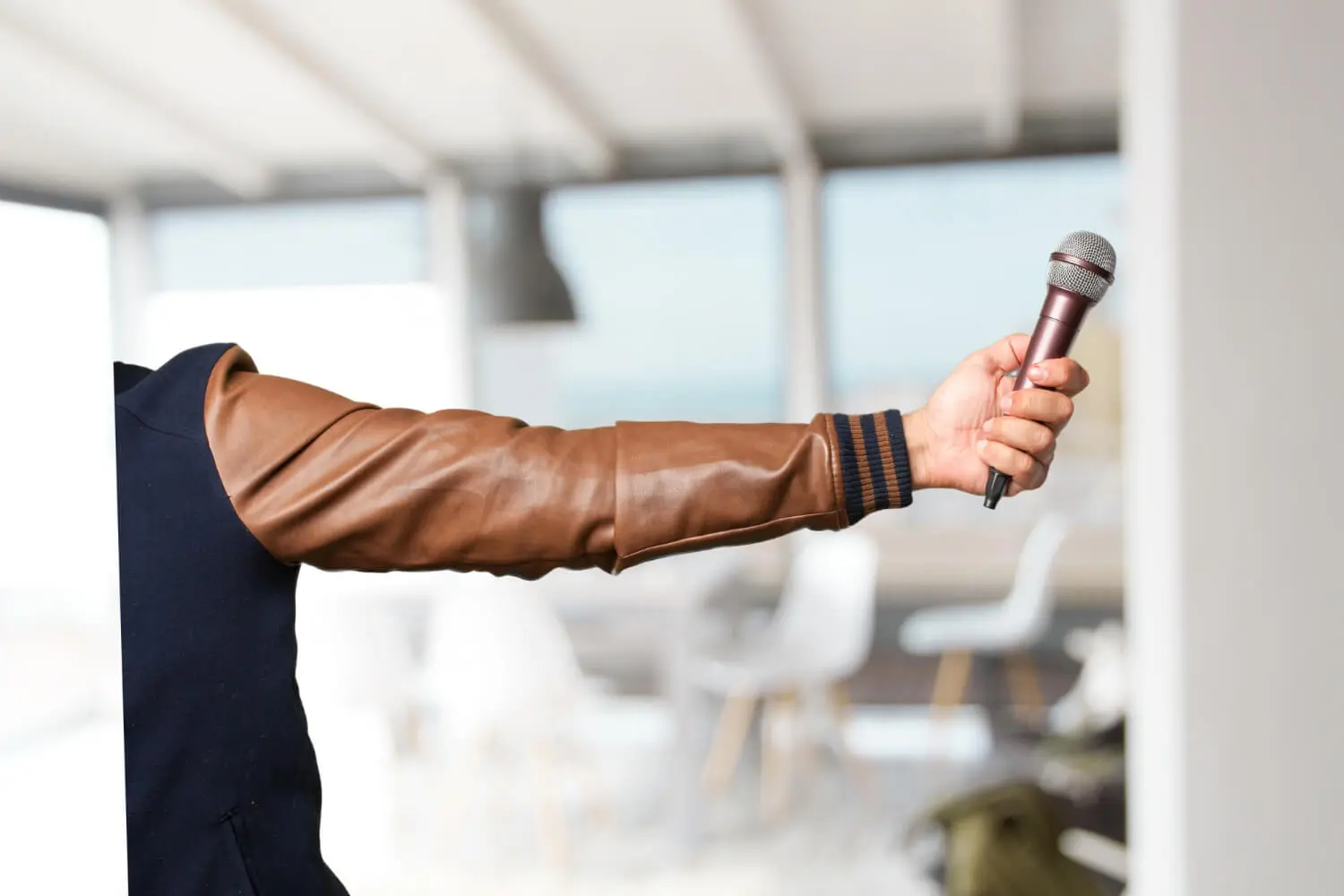
Choosing the right microphone helps a message land clearly instead of getting lost in a noisy room. For Mildura event organisers, the right microphones can make it easier for every speaker to be heard clearly. Event organisers can also review wireless microphone use in Australia when preparing for an event.
Wireless microphones for events come in three main styles: lapel, handheld and lectern. Each one suits a different speaking role, room size and level of formality. Picking the wrong type can leave a keynote sounding thin or a panel discussion feeling clumsy.
This guide breaks down the practical differences, so organisers can match the microphone based on the event format. The goal is clear audio, comfortable speakers, and a smooth run from the opening address to the final thank you.
For wider AV planning support, Audisound also provides conference equipment setup and hire for business and public sector events.
Lapel Microphones: Freedom and a Professional Look
Lapel microphones clip onto a speaker’s clothing, usually near the collar or lapel. They capture steady audio without the speaker needing to hold anything. This leaves hands free for slides, notes, or gestures, which suits presenters who like to move naturally.
These microphones work well for formal presentations, interviews, panel discussions, and one-on-one speaking roles. A trainer delivering a workshop or a manager presenting quarterly results can walk a short distance and stay hands-free the entire time.
Practical Considerations
Placement is everything with lapel microphones. The clip should sit close to the mouth, roughly a hand’s width below the chin, for even sound. Loose clothing or scarves can rub against the capsule and cause noise when the speaker moves.
Battery life is another point to check. A lapel transmitter pack runs on batteries that drain over a long session. For a full-day conference, confirm runtime and plan for backups or a mid-day battery change. Audisound’s corporate event hire support can match the microphone choice to the presentation style and venue.
Handheld Microphones: Flexibility for Dynamic Events
Handheld microphones give speakers direct control. Because the speaker holds the microphone, they set the distance and angle themselves. This helps when several presenters have different speaking volumes, since each person can adjust on the fly.
Handheld options shine in interactive settings. They suit panels, audience question-and-answer sessions, award presentations, and any event where the microphone passes quickly between speakers. A single handheld can travel from an MC to a guest to an award recipient within seconds.
Trade-offs to Keep in Mind
The main catch is that speakers have to remember to hold the microphone near their mouth. Nervous presenters sometimes drop it too low, which weakens the sound. A quick briefing before the event solves most of these issues.
Some audiences read handheld microphones as less formal than a discreet lapel. For events with roving microphones, speaker coordination matters, and Audisound’s communication hire service supports clear audio movement between presenters, crew, and audience areas.
Lectern Microphones: Fixed Placement for Formal Settings
A lectern microphone sits on a stand or gooseneck fixed to the lectern itself. It may connect directly to the venue’s sound system or operate through a wireless setup. Many lecterns come with a built-in gooseneck microphone, so setup stays simple with no clips or body packs to fit.
These microphones fit awards ceremonies, formal speeches, keynotes, and any event where the speaker stays stationary. Public sector functions and official addresses in regional Victoria frequently use a lectern setup for a polished, traditional look.
Where Lectern Microphones Fall Short
The obvious limit is movement. Once a speaker steps away from the lectern, the audio drops off. That makes lectern microphones a poor fit for interactive or multi-speaker formats where people roam the stage.
Positioning still counts. The gooseneck needs to point at the speaker’s mouth at the right height. Speakers of very different heights may need a quick adjustment between turns, so a stage assistant helps keep transitions smooth. For larger community or civic events, public event hire can support lectern setups, handheld microphones and speaker systems that suit the venue.
Comparing Lapel, Handheld and Lectern Microphones: Quick Decision Guide
The table below gives a fast way to match an event scenario to the right microphone type.
| Microphone Type | Speaker Mobility | Formality | Audio Consistency | Best For | Key Considerations |
|---|---|---|---|---|---|
| Lapel | Moderate, hands-free | High | Steady with correct placement | Presentations, interviews, panels | Clothing noise, placement, battery life |
| Handheld | High, speaker-controlled | Medium | Depends on speaker technique | Q&A, panels, awards, multi-speaker | Speaker holds it correctly |
| Lectern | None, fixed spot | High | Very steady | Keynotes, formal speeches, ceremonies | No movement, needs correct positioning |
Match the type to the moment. A conference keynote suits a lectern or lapel. A panel discussion works with handheld or lapel microphones. An award presentation pairs well with a handheld or lectern. An interview or product demonstration usually calls for a lapel or handheld.
Many events use a mix. A keynote might run on a lectern microphone, with a handheld ready for Q&A. Panellists could wear lapel microphones while audience members ask questions through a roving handheld. Planning the combination early keeps the audio seamless. For more practical AV planning, the Audisound blog covers audio, visual and event equipment guidance for commercial and public sector organisers.
Key Factors to Consider When Choosing a Wireless Microphone
Choosing the type is only half the job. A few practical factors decide whether a setup performs on the day. This is where wireless microphone hire decisions move from theory to real-world planning.
Event Duration and Battery Life
Confirm that battery runtime covers the full event. A two-hour seminar rarely needs a change, but an all-day conference likely will. Ask the provider about runtime and plan backups so no speaker cuts out mid-sentence.
Venue Size and Radio Frequency Conditions
Wireless microphones rely on clean radio signals. Metal structures, thick walls, and outdoor conditions can weaken reception. Large venues around Mildura, from function centres to sports pavilions, each carry their own signal quirks. A site check before the event catches interference early.
Number of Simultaneous Speakers
Every active microphone needs its own channel. Running several wireless microphones at once demands a system with enough channels and careful frequency coordination. Without it, microphones can drop out or interfere with each other. Confirm the channel count matches the speaker line-up.
Frequently Asked Questions
Can I mix different microphone types at the same event?
Yes, mixing types is common and practical. A keynote on a lectern with handheld microphones for Q&A works well. The main points to check are channel availability, battery management, and proper radio frequency coordination so every microphone runs cleanly.
Which microphone is best for a conference speaker?
A lapel microphone suits a speaker who moves and uses slides. A lectern microphone suits a formal speaker who stays in one position. The best choice depends on the speaker’s role and presentation style.
What is the best microphone for audience questions?
A handheld microphone usually works best for audience questions. A roving staff member can move through the room and help each person speak clearly into the microphone.
How many wireless microphones can run at one event without interference?
That depends on the equipment and the venue’s radio frequency environment. Some systems support a handful of channels, others many more. A provider can assess the venue and set the right number for reliable, dropout-free performance.
Do wireless microphones need new batteries during a full-day event?
Battery runtime varies by microphone system and battery type. For a full-day event, confirm the expected runtime with the provider and keep spare batteries or charged transmitter packs available.
Can wireless microphones work outdoors?
Yes, wireless microphones can work outdoors with the right setup. Outdoor events need careful planning because distance, weather, structures, and radio conditions can affect performance.
Choosing the Right Wireless Microphone for Events
The best microphone choice follows the event format and speaker roles. Lapel microphones suit formal, controlled presentations. Handheld microphones work for interactive, multi-speaker sessions. Lectern microphones fit stationary keynotes and ceremonies.
Many events combine all three for a smooth flow from start to finish. Audisound helps corporate and public sector organisers choose wireless microphones for events that keep speakers comfortable, audiences engaged and the message clear.
Contact us to discuss the venue, speaker list and event format before your next event.