
G’day! Planning an event involves a lot more than booking a venue and sending out invitations. One crucial aspect that often flies under the radar is the audio setup. As someone who’s organised a fair few events here in South Australia, let me tell you that nailing the audio is key to getting your audience engaged and having a memorable time. Let’s dive into the art and science behind event audio setup and how it influences audience engagement.
The Influence of Sound on Engaging Your Audience
Sound is a powerful tool. It can influence emotions, capture attention, and improve memory retention. Have you ever wondered why you remember the tunes from your favourite TV ads better than the visuals? That’s the knack of sound at work. The way audio is handled at an event can have a make-or-break impact on how audiences perceive the experience.
Understanding the Event Space
Before you even think of plugging cords into outlets, understanding your event space is paramount. First off, is it indoors or outdoors? Indoor spaces can present challenges like echoing, while outdoor spaces might battle ambient noise from wind or traffic.
- Acoustics: Evaluate the natural acoustics. You might need tools like a decibel meter to suss out echo-heavy areas needing sound dampers.
- Lighting Conditions: While not directly audio-related, ensure that light won’t compete with screens or clash with the vibe you’re going for.
Choosing the Right Equipment For Your Event Audio Setup
Microphones: Getting That Crystal-Clear Sound
Microphones are perhaps the most vital part of your audio toolkit. Here’s the lowdown:
- Wired Microphones: Perfect for speakers who won’t be moving about.
- Wireless Microphones: The go-to for mobile speakers or when a Q&A is on the cards.
- Lavalier Microphones: Handy for hands-free presentations.
Mixers and Sound Boards: Achieving Audio Harmony
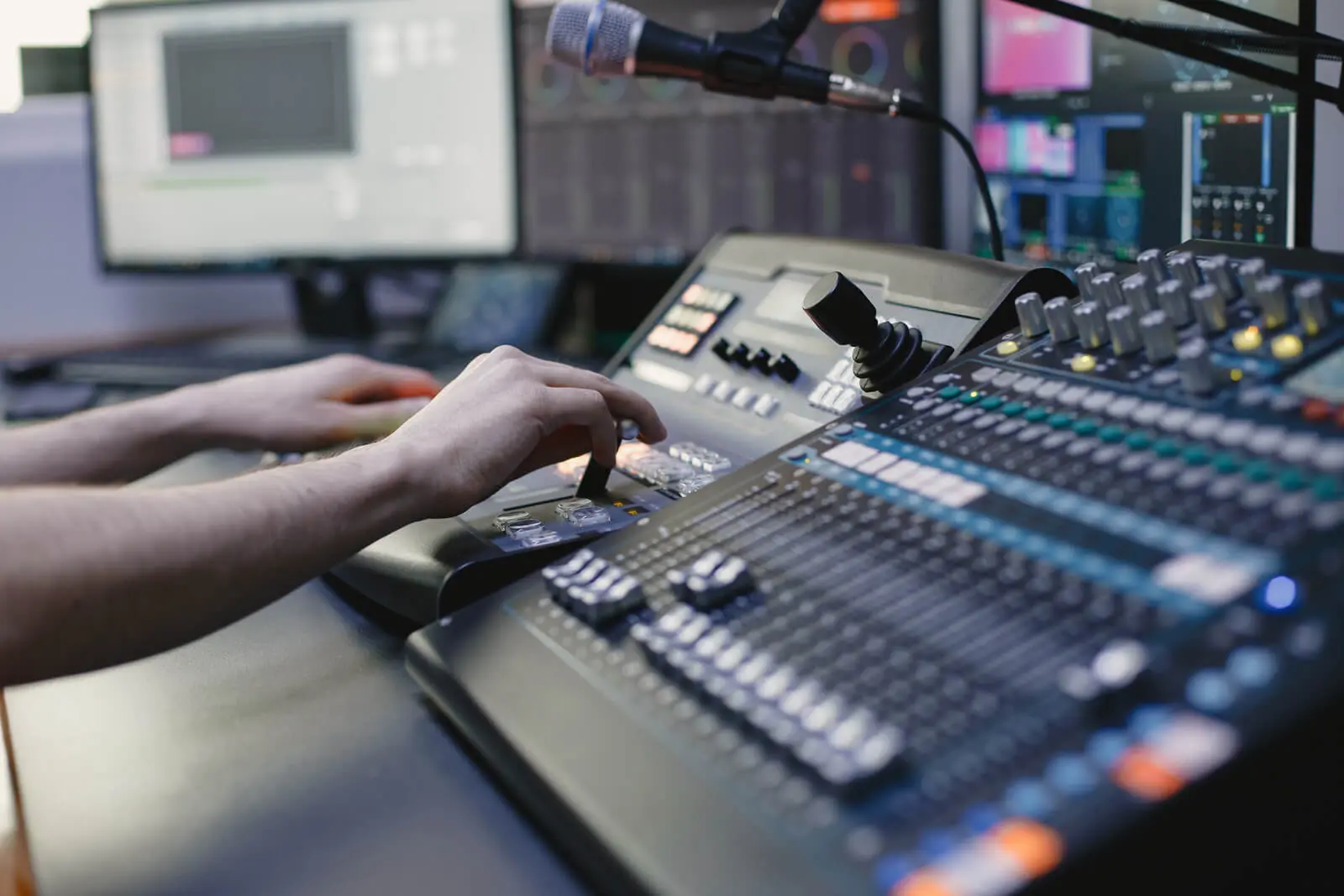
The mixer is your chief control hub for balancing sound and managing feedback. A sound board with enough channels for all your devices is a must. Don’t skimp here, mates!
Speakers: Where Size (and Placement) Matters
The type and placement of speakers can dramatically affect your event. For those blockbuster music events, consider woofers and subwoofers. And remember, place them with thought—typically alongside the stage to cover the audience adequately.
Cables and Accessories:
They’re the unsung heroes of the audio world. Always ensure you’re stocked up on cables, and better yet, have extras handy for those dreaded just-in-case scenarios.
Setting Up the Audio System: Practical Steps
Room Layout and Speaker Placement
Placement is more of an art than a science. To prevent feedback, position microphones behind speakers and elevate the speakers to ensure sound travels effectively across the venue.
Power and Initial Setup
Before you fire up your gear, confirm that every power outlet is in working order. Trust me, it saves scrambling last minute.
Connecting Equipment
Connect your mixers to the speakers, keeping all connections snug. Ensure each channel fader and the master fader are set to unity for a steady start. And always adjust slowly as you power up to avoid blasts that could startle the crowd.
Eliminating Microphone Feedback
This can be the bane of sound engineers. Using high pass filters and EQ settings, you can significantly curtail those screeching feedback noises. Keep a decent distance between mics and speakers for best results.
Pre-Event Rehearsals and Testing: The Secret to Success
Importance of Rehearsals
Organising a rehearsal isn’t just for theatre. Gather your team, test equipment, and simulate the event. This catches snags you can resolve pre-event, ensuring a smooth experience.
Testing the System
Inspect all components of your audio setup, from the sound system to the wireless microphones. Be confident that everything is functioning as planned, and for peace of mind, keep backup equipment handy.
On the Day: Execute with Precision
Team Organisation
An organised team is your best asset. Ensure your team knows their roles and has a checklist of necessary backup items. This way, they’ll be ready to tackle any unanticipated surprises.
Extra Tips for Event Audio Setup
Aspect Ratio for Screens
Align presentations to the screen’s aspect ratio (whether it’s a widescreen 16:9 or old-school 4:3) to avoid image issues.
Lighting for the Right Mood
While sound is king, don’t neglect the atmosphere. Strategically placed spotlights and dimmable lights can set the perfect tone for your event.
Conclusion: Enhancing Audience Engagement through Sound
Catering to an audience goes beyond phenomenal content; the sound quality plays an invaluable role. Understanding the ins and outs of an event audio setup ensures you’re well prepared to exceed expectations and create an engaging environment for your audience. Next time you’re tasked with an audio setup, remember these insights, test rigorously, and trust in your team’s savvy skills to deliver an experience they’ll rave about.