
G’day folks! If you’ve ever found yourself knee-deep in planning something like a music festival, a massive construction project, or maybe even coordinating a rescue operation, you’d know the absolute importance of having a top-notch communication system in place. Today, we’re diving into the nitty-gritty of setting up a temporary communication system and getting the best “communication equipment on rent” to suit your needs. Whether you’re a seasoned event manager or a small business owner, these insights are geared to help both the novice and the experienced.
Assessing Your Communication Needs
The first step to a foolproof communication setup is assessing your needs. This involves understanding the scale and scope of your project or event. Do you need seamless communication for a small team or a sprawling group across multiple locations? Let’s dive into what you should be evaluating:
1. Number of Users
How large is your team? Whether it’s a small group managing parking or a larger team overseeing every aspect of an operation, the number of users will dictate the quantity and type of communication devices required. This is crucial for ensuring everyone stays connected and informed.
2. Length of Rental
Be sure to figure out how long you’ll need the equipment. Are you dealing with a one-day event or an ongoing project lasting several months? Aligning the rental period with your project’s timeline not only helps negotiating the best deal but ensures continuity in communication without unnecessary costs.
3. Type of Communication
The kind of communication you require is just as important. Is it straightforward voice communication you’re after, or do you need the bells and whistles, like data transmission or GPS tracking? The complexity of communication will guide you towards the right equipment choice.
4. Location and Coverage
Your team’s geographic spread shouldn’t be underestimated. Are they navigating a dense urban jungle or the sprawling Outback? This is where considerations like signal strength, terrain obstacles, and the need for repeaters or base stations come into play. It’s paramount to ensure every team member remains in the loop.
Types of Communication Equipment on Rent
Now that you have a clearer picture of your needs, let’s look at the equipment available for rent. Renting makes it easier on the wallet while giving access to the latest tech. Here are the main types you might want to consider:
Two-Way Radios (Walkie-Talkies)
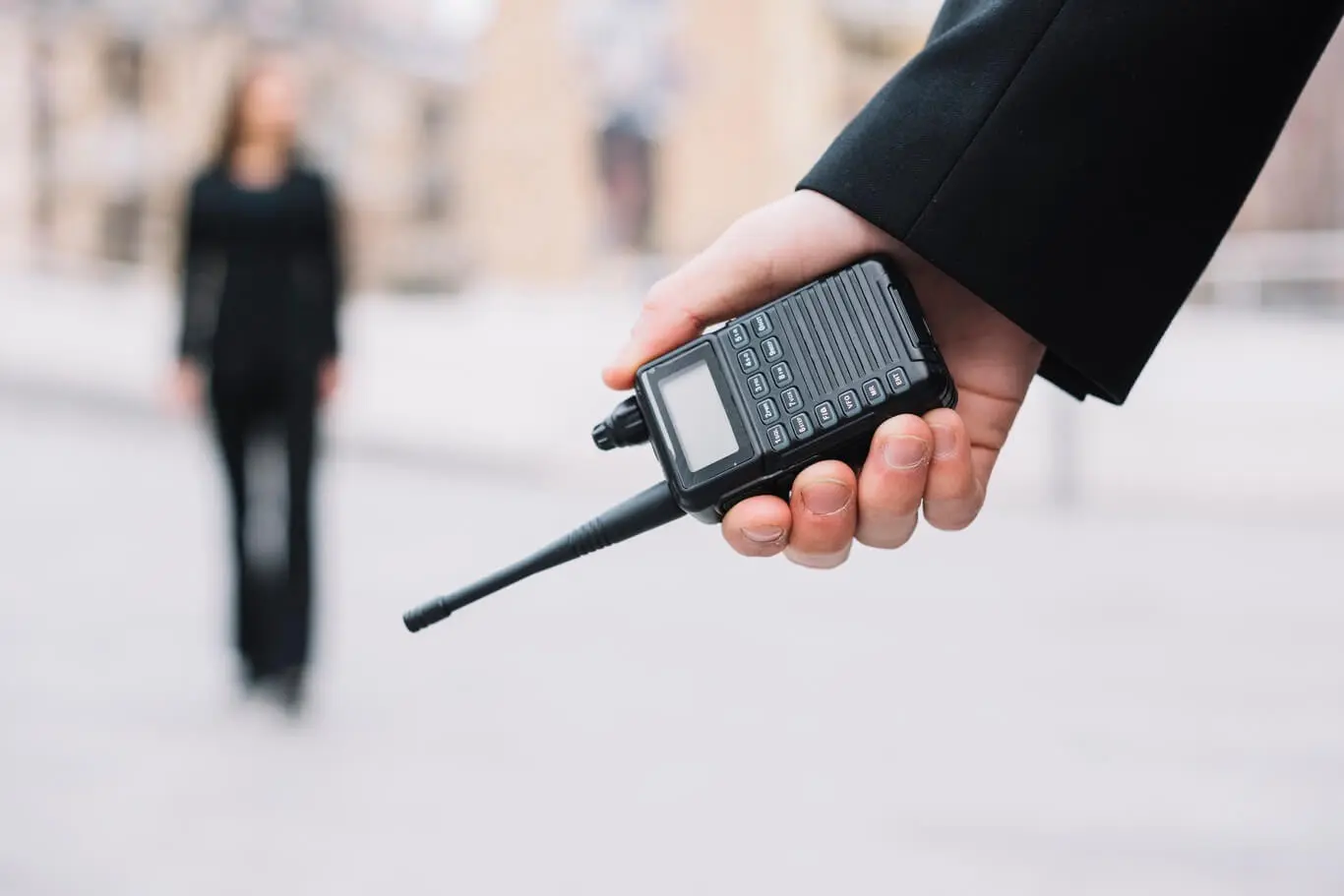
For many, walkie-talkies are the go-to choice. They’re portable, reliable, and great for everything from music festivals to construction sites. Look for features like waterproof casing, long battery life, and noise reduction to suit various environments.
Pagers
Pagers make a comeback when simple messaging is all that’s needed. They’re fantastic for sending alerts and short messages without the clutter of unnecessary functionality.
IP Phone Systems
When you need more sophisticated options, IP phone systems fit the bill. They’re ideal for businesses requiring features like VoIP and integration with existing communication tools.
Mobile and Fixed Radios
Mobile radios are perfect for vehicles, while fixed radios suit stationary spots. Combined with repeaters and base stations, these can extend communication to wide areas, critical for where coverage is spotty.
Accessories
Don’t forget the accessories! Microphones, headphones, and protective cases can make a difference, especially in hostile environments where durability or hands-free use is a priority.
The Benefits of Renting Communication Equipment
Renting doesn’t just make economic sense. It’s a smart move in ensuring effective communication. Here’s why:
Cost-Effectiveness
With the cost of purchasing top-tier communication gear often sky-high, renting ensures access to the latest tech without emptying your bank account. It’s especially ideal for short-term projects or when trying out equipment before committing to a purchase.
Technical Support and Maintenance
Most rental agreements include comprehensive technical support and maintenance. This is like having a trusty mate who’s got your back when things go pear-shaped, ensuring that your team remains connected with minimal downtime.
Flexibility
The beauty of renting lies in its flexibility. Need to scale up or down as the project evolves? Not a problem. Rental arrangements can be modified to match your needs, offering unparalleled adaptability.
Access to Advanced Technology
Staying ahead of the tech curve without burning through capital is a massive benefit. Rental options frequently provide access to the latest and most advanced technology, perfect for maintaining peak operational efficiency.
Setting Up and Using the Equipment
Once you’ve chosen your equipment, setting it up is the next hurdle. But fret not, as most rentals come with support:
Product Demonstrations
Reputable companies offering “communication equipment on rent” typically include product demonstrations. They’ll guide you through using and troubleshooting the devices, ensuring you’re not left in the dark.
Installation and Configuration
For something more elaborate, like base stations, letting the pros handle installation and configuration takes the pressure off. They’re there to make sure everything works flawlessly.
Returning the Equipment
So the event or project wraps up, and it’s time to return the gear. Here’s what to keep in mind:
End of Rental Period
It’s crucial to return the equipment in line with your agreement to avoid extra charges. This step isn’t just about cost—it’s respecting a business relationship that could be useful for future projects.
Extending the Rental
If plans change and you need more time, simply reach out before the deadline. Many providers offer extensions, often accommodating tight timelines and new demands.
Conclusion
Renting communication gear is not only a savvy financial move but essential for maintaining seamless operations across a wide range of settings. By understanding and planning your needs, you’re better positioned to select the right tools and maximise the benefits of renting. Next time you’re planning an event or managing a major project, remember these insights to keep things running as smooth as a well-oiled machine.