
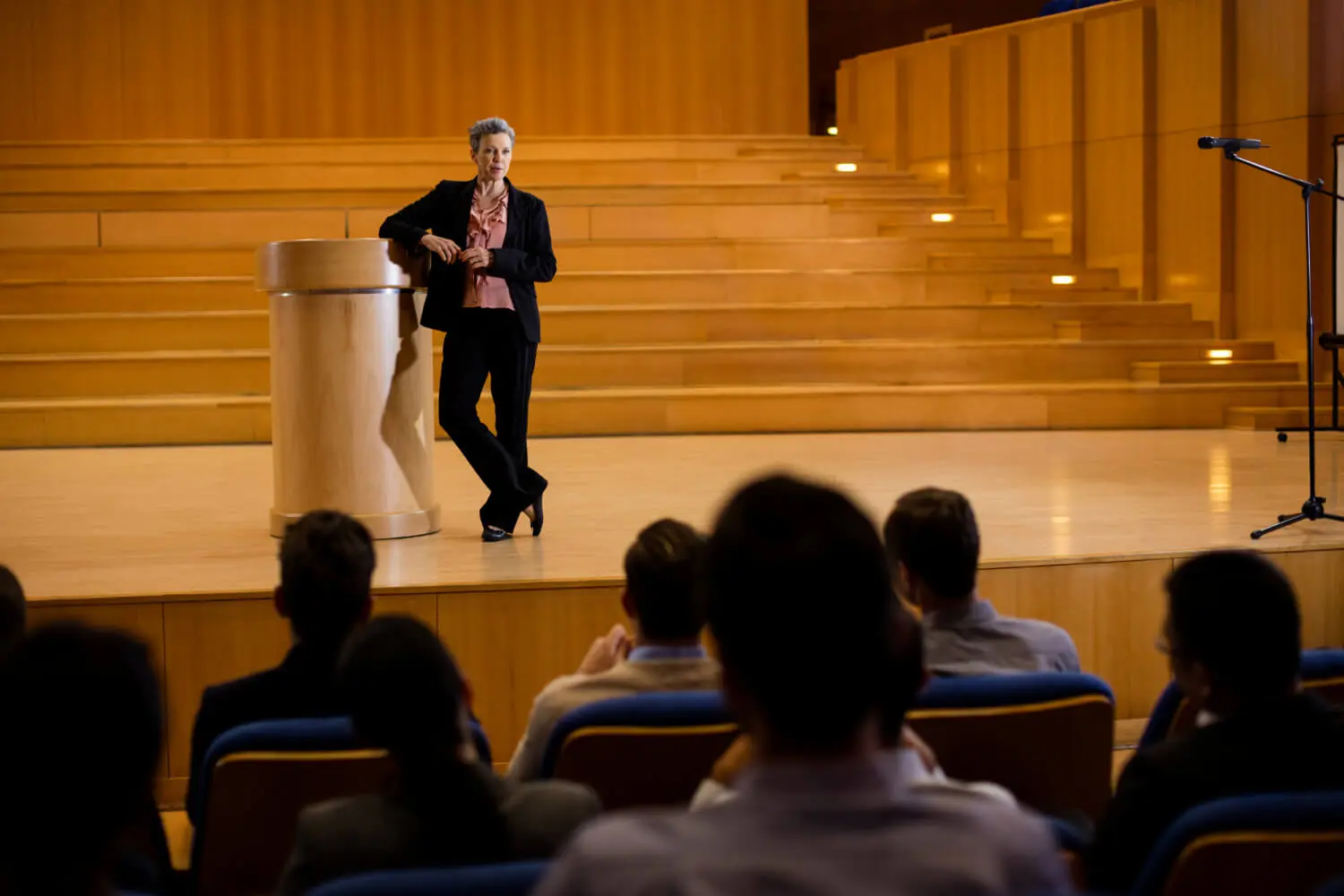
G’day mates! Planning a corporate event is no walk in the park, especially when it involves juggling multiple speakers. Whether it’s the charismatic keynote speaker or the industry’s sharpest minds, coordinating a lineup of corporate event speakers takes some serious forethought. For those of us in the Australian corporate scene, here’s a comprehensive guide to help you make your next event a smashing success, even when managing multiple speakers.
Know Your Corporate Event Speakers
First thing’s first, let’s have a look at the types of corporate event speakers you might have at your event. Understanding their distinct roles will help you manage them more effectively.
Motivational Speakers
Motivational speakers are there to rouse your audience’s spirits. These folks can ignite passion and drive through sharing personal stories and motivational techniques. They’re like Australia’s surf – unpredictable yet exhilarating.
Business Leaders
These are the seasoned pros who’ve seen it all and done more. Business leaders offer insights from their successful careers, giving your event a hefty dose of reality mixed with inspiration. They’re the outback wanderers who’ve mustered something amazing and are willing to share their adventures.
Industry Experts
If you’re looking for depth, industry experts provide it in spades. These specialists bring forward the sharpest trends and insights in their respective fields – perfect for industries that thrive on cutting-edge knowledge.
Keynote Speakers
The head honchos of your event. Keynote speakers deliver the pivotal message and set the tone for the entire gathering. With experience and charisma, these orators ensure that your key messages hit home.
Futurist Speakers
Futurists come with answers to questions you haven’t even thought of yet. Perfect for events looking to brace the uncertainties of tomorrow, these speakers bring foresight and a roadmap to innovation.
Trainers and Facilitators
Last but not least, trainers and facilitators are there to get their hands dirty. These speakers aren’t just about talk; they’re about action, often leading interactive sessions that can transform teams into well-oiled machines.
The Benefits of Having Multiple Speakers at Your Event
Why go through the trouble of coordinating multiple event speakers? Just like a day at the MCG (Melbourne Cricket Ground), your event could benefit from diversity:
- Inspiration & Motivation: Different speakers offer varied perspectives, energizing attendees with fresh inspiration at each segment.
- Variety of Expertise: Multiple speakers can offer a wide spectrum of knowledge across different aspects, meeting diverse audience interest.
- Enhanced Engagement: Switching between speakers keeps the audience engaged, reducing the risk of monotony.
- Dynamic Atmosphere: Like a festival with multiple stages, different speakers create a dynamic and lively atmosphere.
Managing Multiple Corporate Event Speakers: The Essentials
Having a lineup is all well and good, but how do you make sure it doesn’t turn into a chaotic kangaroo trail? Here are some tips for unlocking a seamless corporate event experience:
Plan the Schedule Meticulously
The backbone of any event is a well-planned schedule. Allow enough time for each speaker but ensure there are breaks to prevent fatigue in the audience. Make sure to have a bit of buffer time for overruns – it’s like having spare thongs when one inevitably breaks.
Coordinate Transitions
Transitions between speakers need to be as smooth as a tub of Vegemite on toast. Prepare transition speeches or visual breaks to ensure smooth handovers from one speaker to another. Consider hiring an engaging MC to guide the flow without hiccups.
Build a Clear Narrative
Even with diverse speaker topics, ensure that there’s a red thread tying everything together. This requires communicating clearly with each speaker ahead of time, so they understand the event’s overarching theme or message.
Technical Arrangements
Check AV requirements well in advance. Good sound and clear visuals are non-negotiables. Be prepared for potential technical hiccups by having a tech team ready to spring into action at a moment’s notice – think of them as your event lifeguards.
Rehearsals and Run-Throughs
A thorough run-through helps preempt issues and allows speakers to grasp the layout and feel of the venue. It’s like a footy player inspecting the pitch before a game – a ceremony no one should skip.
Effective Communication is Key
Manage communication diligently with clear instructions well ahead of the event. Share with speakers the event goals, duration allocated for each session, and primary audience profiles. Equipping your speakers with these details is giving them their toolkit for success.
Audience Insight
Understanding the demographic of your attendees is crucial. Ensure speakers are aware of who they’ll be addressing so they can tailor their content and interaction accordingly.
Perform a Sound Check
Ensuring speakers have the correct equipment set up and functioning perfectly is key. Arrange equipment trials the day prior, mimicking actual presentation conditions to avoid last-minute blurts of “Crikey, where’s me mic?”
Post-Event Feedback
Once the curtain falls, it’s time to gather insights. Request feedback from the audience and speakers alike to learn what went well and what could be improved. After all, progress is an Aussie’s best mate.
Conclusion
While wrangling multiple corporate event speakers may seem daunting, careful planning and communication can lead to an event that’s memorable for all the right reasons. By grasping the types of speakers and tailoring your strategy to suit your event’s unique flow, you’ll make sure your corporate event isn’t just another gathering – it’s a ripper of a showcase. So go on, give it your all, and may your next affair be as lively and impactful as an afternoon at Bondi.