
Organising public events is no small feat, and one of the most crucial components to guarantee success is having a top-notch sound system. Whether you’re hosting a panel discussion, a concert, or a festival, collaborating effectively with sound engineers can make all the difference. If you’re in South Australia, here’s everything you need to know to get the most out of your sound system for public events, ensuring a memorable audio experience for all attendees.
Understanding the Playbook: Sound System for Public Event
Before diving into the nitty-gritty, it’s essential to understand what a sound system for a public event generally entails. Our target keyword, “sound system for public event,” guides this deep dive into optimising your soundscaping efforts efficiently and effectively.
What is a Public Address (PA) System?
A Public Address system, often referred to as a PA system, is the heart of any audio setup for an event. It’s designed to amplify and distribute sound throughout the venue. A typical PA system will include microphones, amplifiers, loudspeakers, and control equipment, all working in harmony to ensure the sound reaches every corner of the audience.
The Breaking Down of a PA System
Input Sources
- Microphones: These include handheld, lavalier, and lectern microphones. The event’s needs—whether it’s speeches, singing, or instruments—dictate the best choice.
- Sound Playback Devices: Perfect for playing pre-recorded sounds or music.
- Direct Inputs: Great for connecting instruments directly that require amplification.
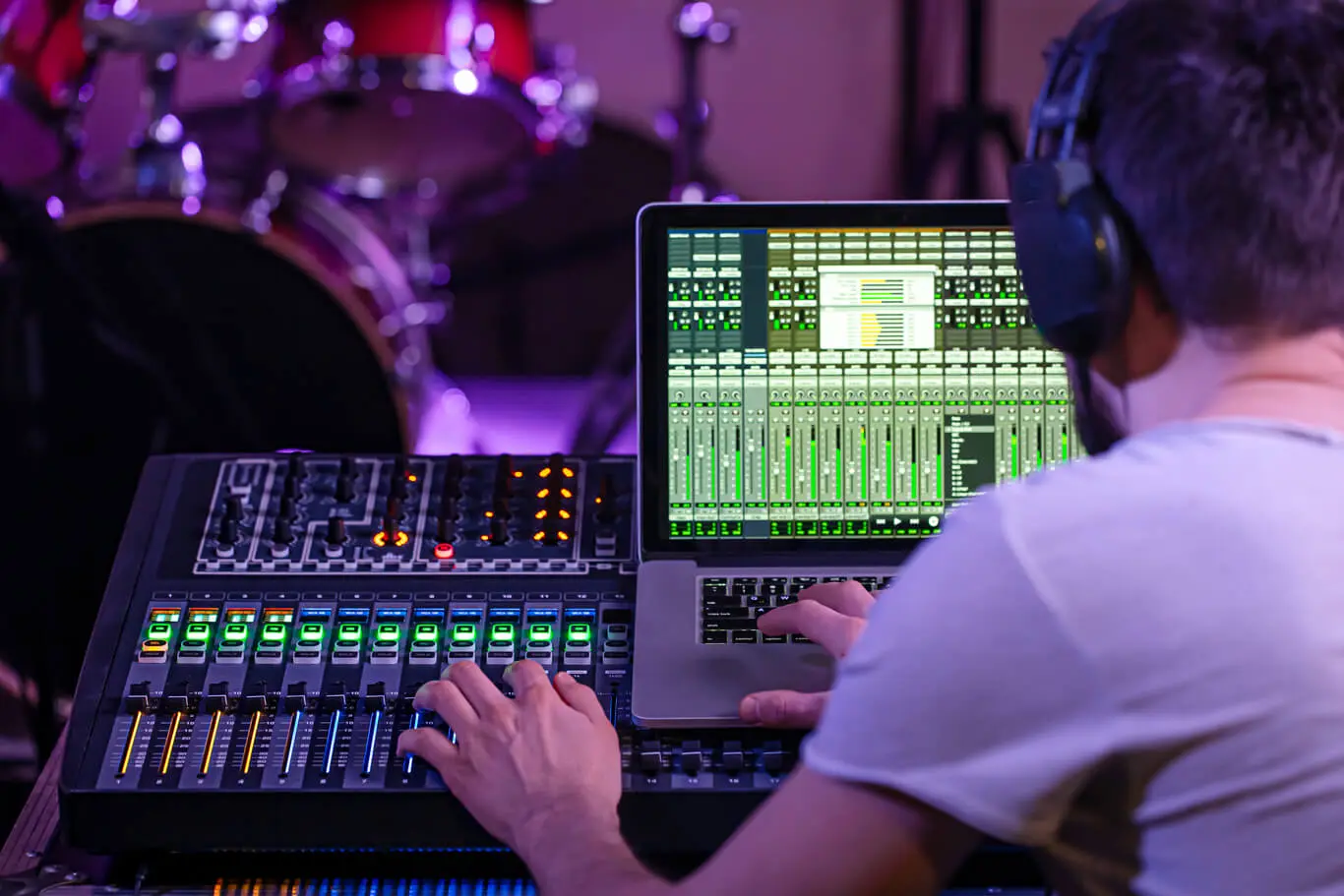
Mixing Console
This is used to control the audio sources, allowing you to tweak levels, add effects, and decide which areas of the venue receive sound and how much.
Amplifiers & Loudspeakers
These vital components work together to boost sound and ensure it covers the entire audience. The amplifier powers the sound’s journey from the mixing console to the loudspeakers, which should be strategically positioned for optimal coverage.
Control and Monitoring Equipment
This includes indicators like LED lights, VU meters, and headphones to keep tabs on the sound quality throughout the event.
Setting Up the PA System: The South Australian Way
Planning and Acoustics Assessment
Before setting up, you’ll want to assess the venue’s acoustics. Pay attention to factors like room size, wall material, flooring type, and possible sound-reflective surfaces, as these will affect the sound quality. It’s all about understanding the unique characteristics that can either enhance or hinder your audio output.
Equipment Selection
- Microphones: Your choice might differ if you’re hosting a speaker moving around versus a musician remaining stationary.
- Speakers: The size of your event determines your needs. Big arenas might need multiple components like subwoofers for enhanced sound dynamics.
Installation and Connection
Ensure proper installation by positioning speakers strategically for comprehensive sound distribution. Once in place, double-check connections from microphones and playback devices to the console, and onward to amplifiers and speakers. It’s about crafting the perfect audio path, free of interruptions.
Leveraging Different Types of PA Systems
Portable PA Systems
These are ideal for smaller, more mobile events, offering ease in transportation and setup.
Fixed Installation PA Systems
For venues like auditoriums, these systems provide a permanent solution tailored to the venue’s specific acoustics.
Personal PA Systems
Perfect for individuals or small groups, these systems are suited for intimate settings where a full PA system isn’t necessary.
Mastering the PA System: Tips for Effective Use
Pre-Event Checks
Double-check microphone batteries and volume levels from the get-go. Simple mic tests help detect any anomalies early, allowing for swift corrections before the curtain rises.
Microphone Management
Proper placement ensures sound quality. For example, lavalier mics should hang about 8-12 inches from the speaker’s face and remain unobstructed by clothing or hair.
Dealing with Interruptions
Remind presenters to turn away from microphones if they need to cough or sneeze, maintaining the integrity of your audio.
The Role of Professional Audio Technicians
Professional audio technicians are worth every dollar, especially for larger events. They understand the nuances of venues and equipment, ensuring a seamless experience by anticipating issues before they disrupt proceedings. These sound-savvy experts optimise everything from acoustical configurations to troubleshooting unexpected hiccups.
Managing Sound Equipment: The Key to Success
Choosing the Right Equipment
Each event’s uniqueness—from concerts to conferences—dictates specific audio needs, emphasizing the importance of selecting fitting equipment to achieve desired soundscapes.
Conduct Thorough Equipment Testing
Test every piece of equipment rigorously before your event begins. This proactive approach is crucial for addressing potential issues like feedback or signal loss well ahead of time.
Keep Backup Equipment Handy
Nothing salvages an event better than having backup equipment at the ready. Prepare spare microphones, batteries, and connectors in advance.
Effective Communication with Technicians
Maintain seamless communication with the sound team via reliable methods like walkie-talkies, ready to tackle any on-the-fly adjustments that might arise.
In conclusion, mastering your sound system for public events hinges on a solid understanding of the components involved, strategic planning, and effective collaboration with sound engineers. Whether it’s a small community gathering or a grand festival, these best practices will guide you toward creating an unforgettable audio experience. Remember, sound is more than a technicality—it’s a pivotal part of your event’s success story.