
Running a successful event isn’t just about what your guests experience on the surface, but about the seamless coordination happening behind the scenes that makes it all possible.
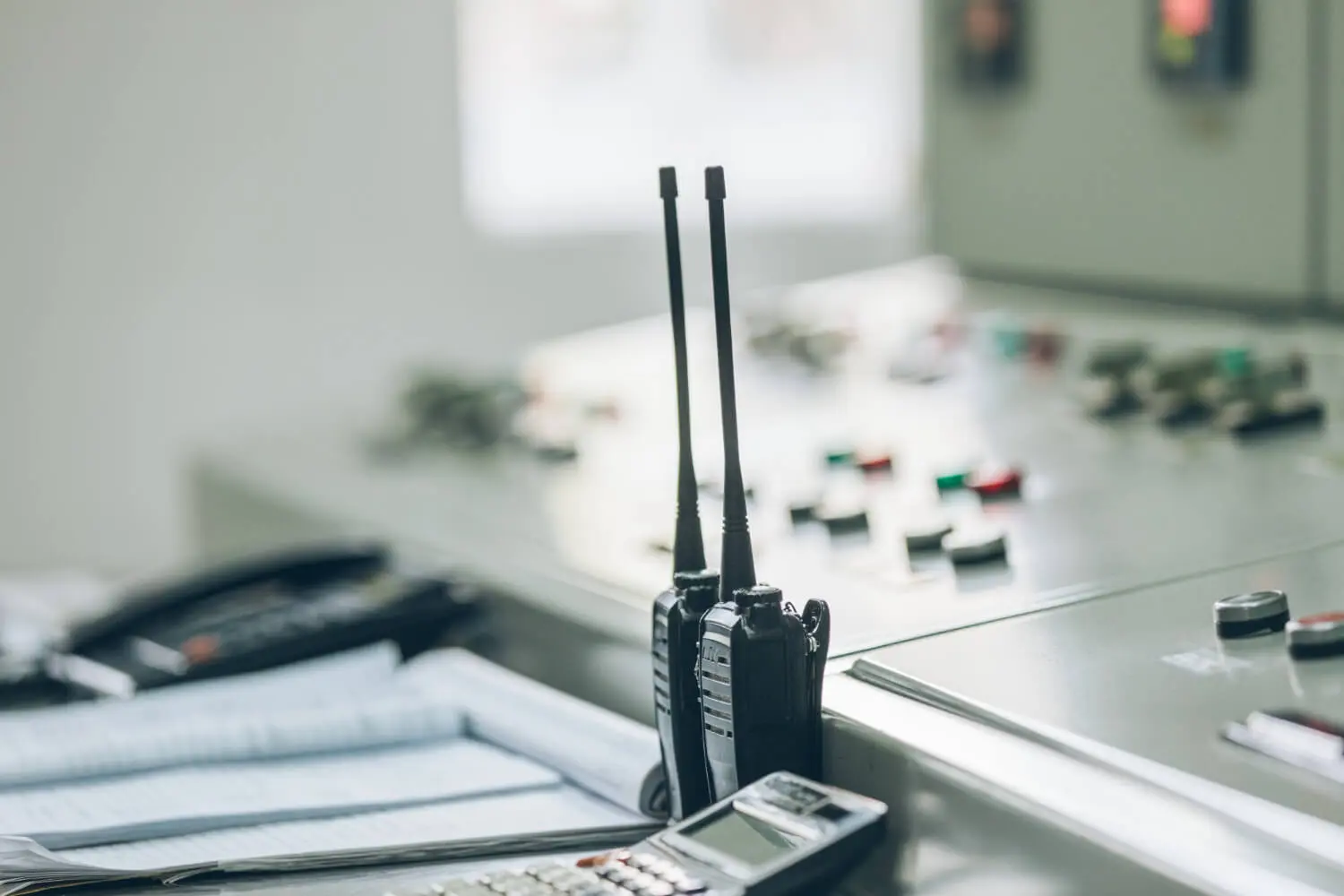
For event organisers across Australia, two-way radios and walkie-talkies have long been the communication backbone of choice, offering your team reliable, instant connectivity that mobile phones can’t match in a fast-moving environment.
The global push-to-talk device market is forecast to reach $63.11 billion by 2030, a clear indicator of just how trusted this technology remains.
Whether your event is an intimate corporate function or a sprawling outdoor festival, hiring the right radio equipment is the difference between a smooth operation and costly miscommunication.
This guide breaks down everything you need to know about hiring two-way radios and walkie-talkies for events in Australia so that you can plan with confidence.
Why Are Two-Way Radios Essential for Event Communication?
Festivals, sporting events, agricultural shows, corporate functions, and community days share one thing in common: they depend on fast, reliable coordination between multiple teams.
When a security issue arises at the main gate or a first aid team needs urgent direction, there is no time to wait for a phone call to connect.
Radio hire for events solves these problems directly.
Two-way radios offer instant communication, support group coordination across large areas, and operate independently of public mobile networks, which are troublesome due to congestion at high-attendance events.
In fact, research from the GSMA indicates that mobile networks can experience significant performance degradation at densely populated venues, with throughput dropping considerably during peak usage periods.
Walkie-talkie hire gives your team a dedicated channel that stays clear regardless of how many people are in the area.
Understanding the Different Types of Event Radios
Not all radios are built the same. Choosing the right type depends on your event size, venue layout, and team structure.
Standard Two-Way Radios
Standard two-way radios are simple to operate and well-suited to smaller events with straightforward communication needs. They cover short-to-medium range distances and work well when teams are operating within a contained venue or a single building.
Staff can pick them up and use them with minimal instruction, making them a practical option for community markets, school events, or small corporate functions.
UHF Radios
UHF radio hire is one of the most popular options for Australian events, and for good reason. UHF (Ultra High Frequency) radios deliver reliable outdoor performance across larger venues, handling open spaces, crowd noise, and varied terrain better than standard alternatives.
Agricultural shows, outdoor festivals, and multi-venue sporting events benefit from UHF capability.
Digital Two-Way Radios
Digital two-way radios represent the next step up in performance. They offer enhanced audio clarity, better coverage across complex environments, and advanced features such as channel scanning and noise cancellation.
For large-scale events where multiple teams need clear, uninterrupted communication, digital radios are the preferred choice.
UHF vs Digital Radios: Which One Is Right for Your Event?
| Feature | UHF Radios | Digital Radios |
| Audio Clarity | Good | Excellent |
| Coverage | Strong outdoor range | Enhanced, multi-environment |
| Battery Performance | Solid all-day use | Extended with efficient power use |
| Cost | More affordable | Higher-end option |
| Best For | Community events, sporting events | Large festivals, corporate conferences |
For most community and sporting events, UHF radio hire delivers exactly what teams need at a practical price point. On the other hand, for multi-day festivals or corporate conferences where audio quality and extended coverage are non-negotiable, digital radios are the stronger investment.
Walkie-talkie hire packages can include either type depending on your event requirements.
How Many Radios Do You Need for Your Event?
Before booking your radios, estimate how many units your team will need on the day. The right number keeps communication smooth across staff, security, volunteers, and coordinators without overspending on unnecessary equipment.
Small Events (Up to 100 Attendees): A small team needs 4–6 radios spanning event managers, security, and first aid personnel without overlap.
Medium Events (100–500 Attendees): These teams need 8–15 units to cover security, parking, volunteers, and technical crews across separate zones.
Large Events (500+ Attendees): Complex multi-zone events require 20 or more units distributed across event managers, security teams, parking attendants, volunteers, technical crews, and first aid personnel.
A useful rule of thumb is to assign at least one radio per operational role, then add extras for supervisors and key decision-makers. Radio hire for event packages can be scaled up or down based on confirmed team numbers.
What Affects Radio Range and Performance?
Advertised range figures are measured under ideal open-field conditions, and real-world events rarely match that environment. Two-way radio hire providers always factor venue-specific conditions when recommending equipment.
Key factors that affect range and performance include:
- Event size and density: Larger crowds absorb and reflect radio signals
- Buildings and structures: Concrete, steel, and scaffolding reduce penetration
- Open spaces: Outdoor festivals achieve a better range than indoor venues
- Terrain: Hills, slopes, and uneven ground impact signal travel
- Weather conditions: Heavy rain or extreme heat affects battery and signal performance
Understanding these variables helps set realistic expectations and informs how many radios, and which type, your event actually requires.
Battery Life Considerations for All-Day Events
Most professional two-way radios deliver 8–12 hours of battery life under standard use conditions, which covers a single-day event comfortably. However, multi-day festivals and events with extended operating hours require more planning.
Walkie talkie hire packages from providers include spare batteries or charging stations, making sure teams stay operational from bump-in to pack-down. It is worth confirming charging requirements in advance, particularly for events running across consecutive days or overnight security coverage.
Why Does Hiring Radios Make More Sense Than Buying?
Unless your organisation runs events multiple times per year, purchasing a fleet of radios doesn’t make financial sense. Two-way radio hire offers a cost-effective alternative with practical advantages:
- Lower upfront costs with no capital expenditure
- Access to professional-grade equipment without ownership responsibilities
- No maintenance, storage, or firmware update obligations
- Flexibility to scale the number of units per event
- Expert setup and handover included
According to Event Organisers Summit, 64% of Australian event organisers cite budget efficiency as a primary concern when planning communications logistics.
Hiring removes a fixed cost and converts it into a manageable, per-event expense. For businesses and councils that organise occasional events, radio rental near me searches lead to exactly this kind of flexible, supported hire arrangement.
Frequently Asked Questions
Keep Your Event Team Connected With AudiSound
Effective event communication starts long before the first radio is switched on. Choosing the right equipment, having adequate coverage across venues, and making sure every team member knows how to use the system contribute to a smoother, safer, and organised event experience.
For event organisers across Mildura and Northwest Victoria, AudiSound takes the guesswork out of that communication planning.
Our team works closely with you to understand your event requirements, recommend the right radio solution, and handle delivery, setup, configuration, and handover before the event begins.
With local knowledge and ongoing support throughout the hire period, we make sure your communication network performs reliably from start to finish.
Contact AudiSound today and keep your event team connected when it matters most.