
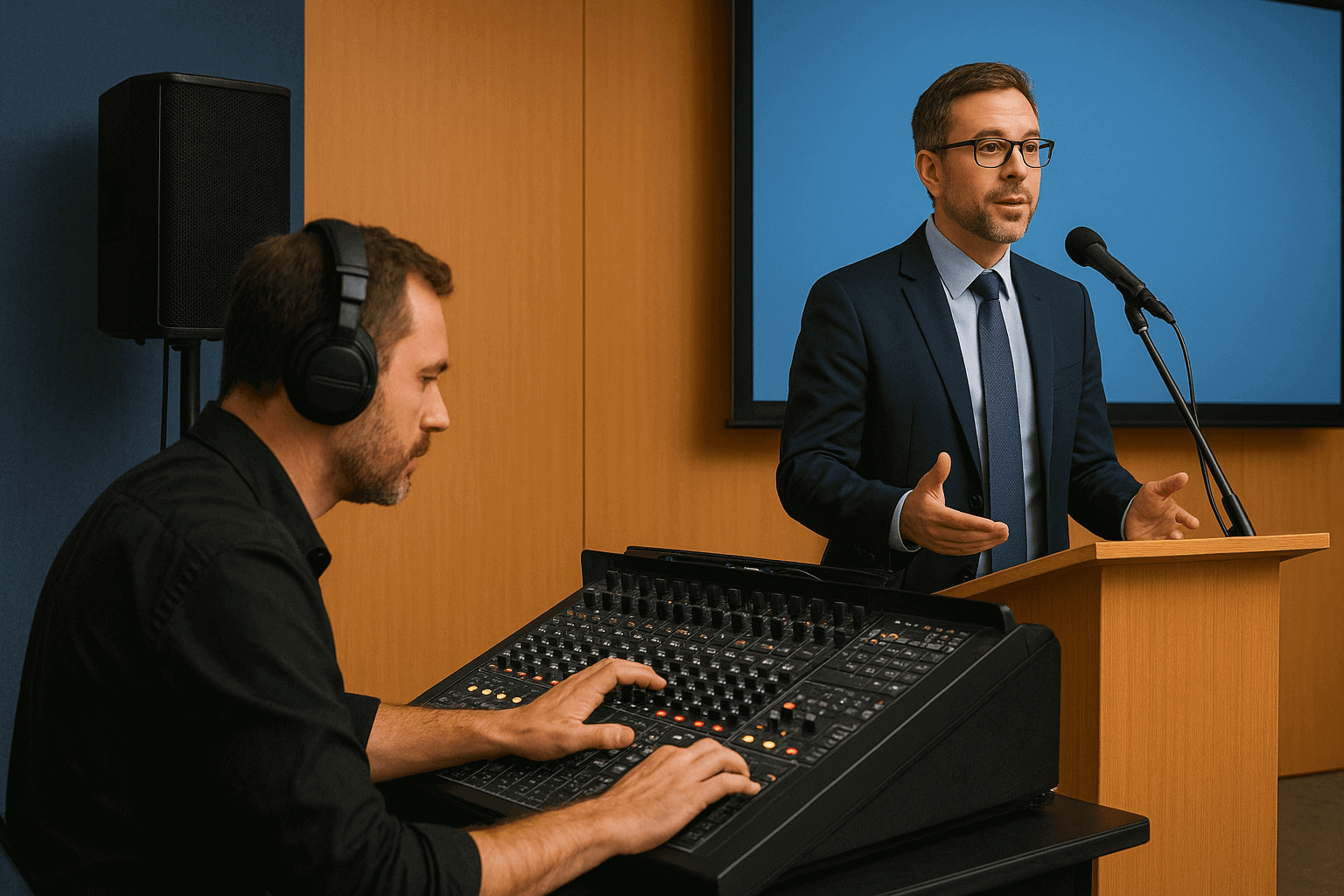
Have you ever attended a live event or tuned into a presentation where technical hiccups took the spotlight instead of the speakers? A seamless soundcheck is often the unsung hero behind such flawless performances. If you’re wondering how to prep your presenters like pros, you’re in the right place. Here, we will dive into some soundcheck secrets to elevate your event to professional levels. So, grab a cuppa and let’s get into it!
The Importance of a Flawless Soundcheck
A soundcheck isn’t just about flipping switches or mindlessly tapping on mics; it’s an art that sets the stage for a well-executed event. For a presenter, knowing that the audio system is working flawlessly boosts confidence, allowing them to focus solely on delivering their message. For the audience, clear audio without interruptions keeps engagement at peak levels. This is why mastering soundcheck secrets is crucial.
Be Prepared and On Time
The Significance of Punctuality
Time is of the essence at any event. Arriving early for the soundcheck allows ample opportunity to set up equipment, ensuring all connections are secure and identifying any potential issues early on. Tardiness not only disrespects the time and effort of the audio team but also increases the chance of last-minute scrambles to fix unexpected hiccups.
Efficient Preparation
Have everything you need ready beforehand: instruments tuned, microphones set up correctly, and all necessary equipment organised. This not only makes the process smoother but also drastically reduces pre-event stress, allowing you to focus on fine-tuning.
Kick-off with Priority Checks
Focus on Vocals and Ambience
It’s smart to prioritise the vocal mics during the initial stages of a soundcheck. The vocalist’s sound often dictates how other elements are balanced. Have presenters speak naturally into the mic, avoiding the cliché “testing, one, two”. This gives sound engineers a more accurate basis for adjustment. Simultaneously, ambient mics should also be tested to ensure broad and smooth sound coverage.
Thorough Testing is Essential
Comprehensive Equipment Check
Besides microphones, ensure every piece of technology involved gets tested. Walk across the presentation area to identify feedback zones. Run through all presentation slides, videos, and external audio components to ensure there are no awkward silences or mismatches during the main event.
Instrument Dynamics
For presentations involving live music or sound effects, play instruments at different levels. This helps the sound engineer account for both peaks and softer sounds, ensuring everything from a whisper to a crescendo comes through clearly to the audience.
Maintaining a Consistent Setup
Avoid Last-Minute Tweaks
The temptation to make changes to your setup just before or during the show should be resisted. Consistency from soundcheck to performance is critical to maintaining the audio integrity of your setup. Inform the sound engineer of any unavoidable last-minute adjustments to allow for suitable tweaks.
Communication is Crucial
Cooperating with the Sound Engineer
Regular communication with your sound engineer is vital. Be open to their suggestions and communicate any concerns immediately. They have specialised knowledge and experience, which are invaluable for ensuring your audio is top-notch.
Staying Adaptable
Handling Unexpected Issues
Even with the best preparation, unforeseen issues can arise. Stay adaptable to handle these without dampening spirits. Quick troubleshooting and implementing temporary solutions are key to ensuring the show goes on smoothly.
Top Tips for Successful Soundchecks
Dynamic Testing: Walk and Talk
When testing microphones, move around rather than staying stationary. This ensures there are no untested zones that might produce unwelcome feedback during the actual presentation.
Testing Full Dynamics
Play instruments or deliver sections of your speech at their loudest levels during the soundcheck. This provides the sound engineer with a clear idea of peak volume handling.
Clear Communication for Adjustments
Should you have special requirements or adjustments, maintain clear communication to ensure smooth and timely implementation.
Conclusion
By following these soundcheck secrets, you can pave the way for a polished and professional event. From being prepared and punctual to maintaining open communication with your sound engineer, each step contributes to a successful soundcheck and, ultimately, a successful show. So, the next time you find yourself gearing up for a presentation, remember these tips to ensure you and your audience have a fantastic experience. Happy presenting!